

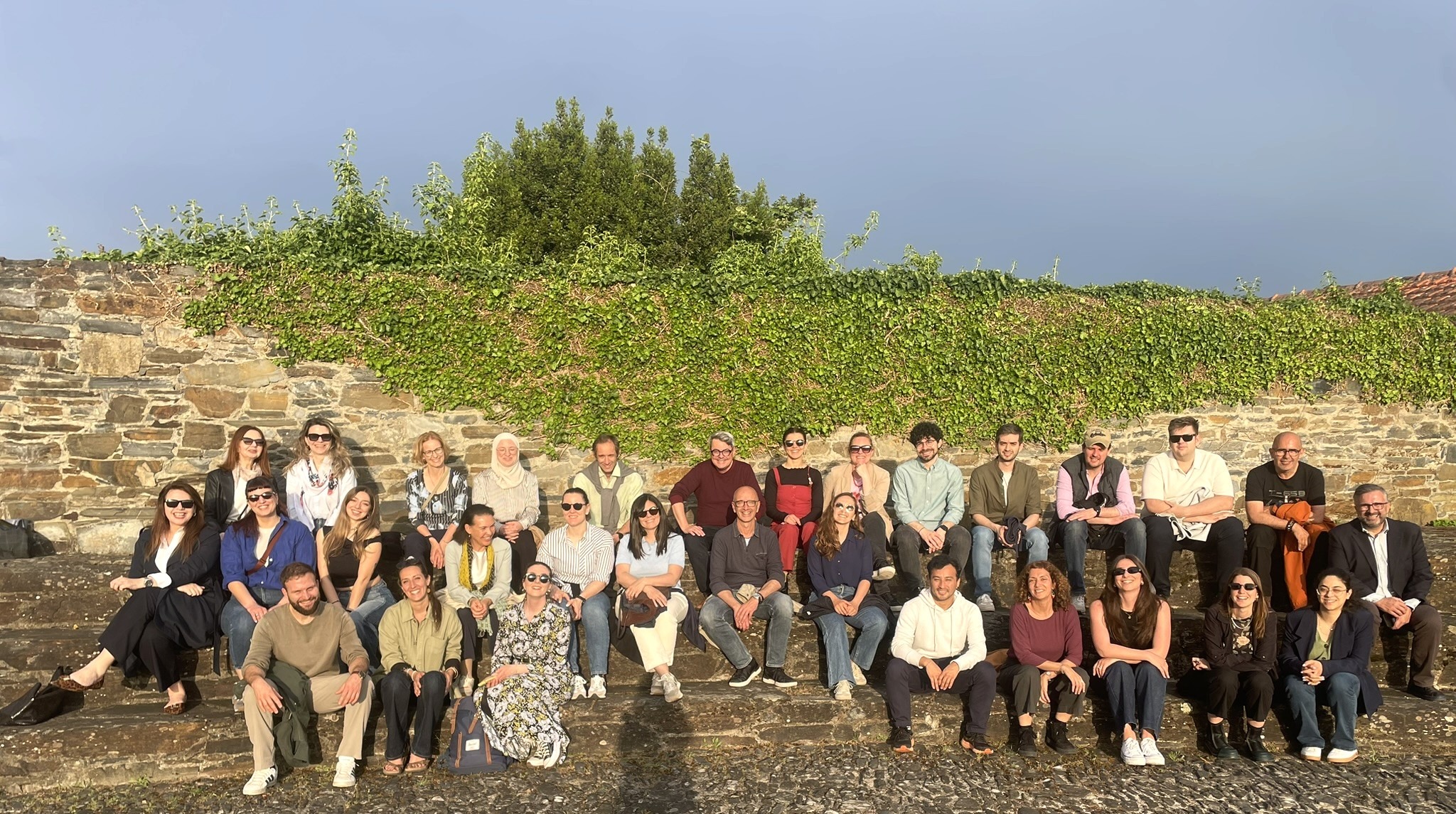
Following the official kick-off meeting in Thessaloniki, REHUBS partners gathered in Sertã, Portugal, for the project’s 2nd Physical Meeting, the first in-person meeting taking place while the project is actively progressing and implementation activities are already underway.
This made the meeting particularly important for the consortium. For the first time, partners were able to come together not only to discuss plans and future objectives, but also to exchange insights on the work already being developed across the project. Ideas that initially existed in proposals and work packages are now gradually taking shape through concrete activities, collaboration, and practical implementation.
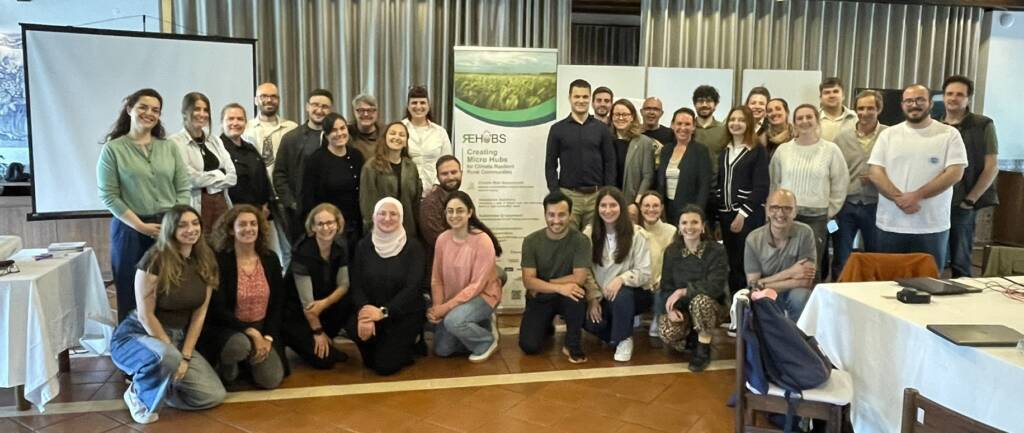
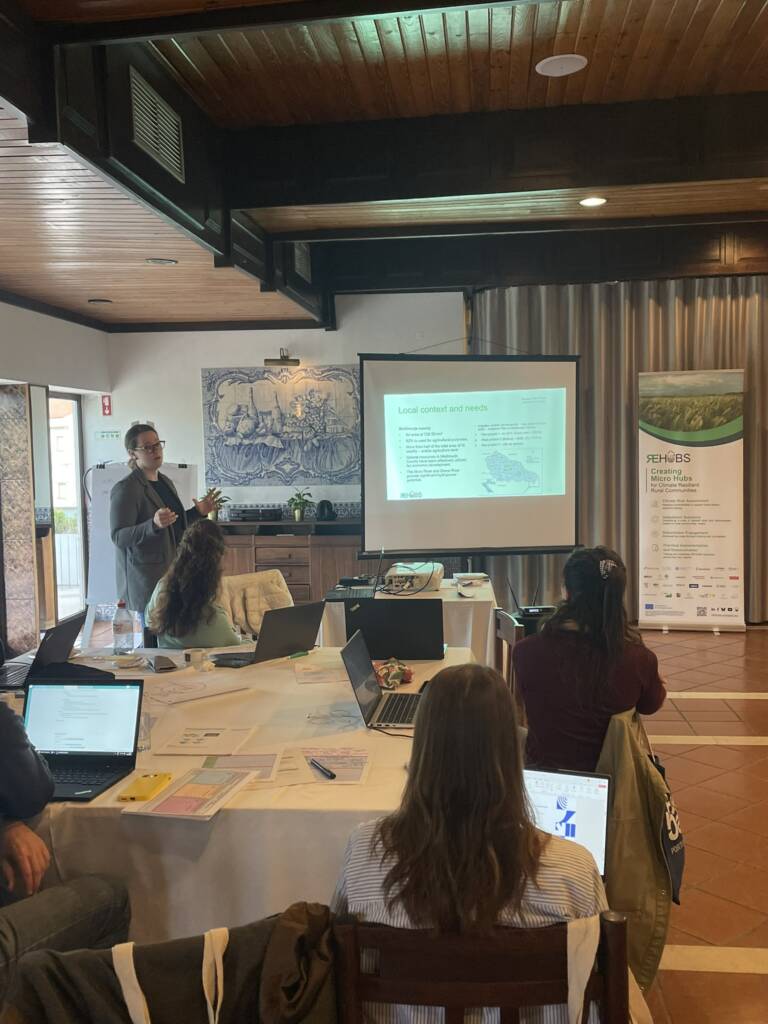
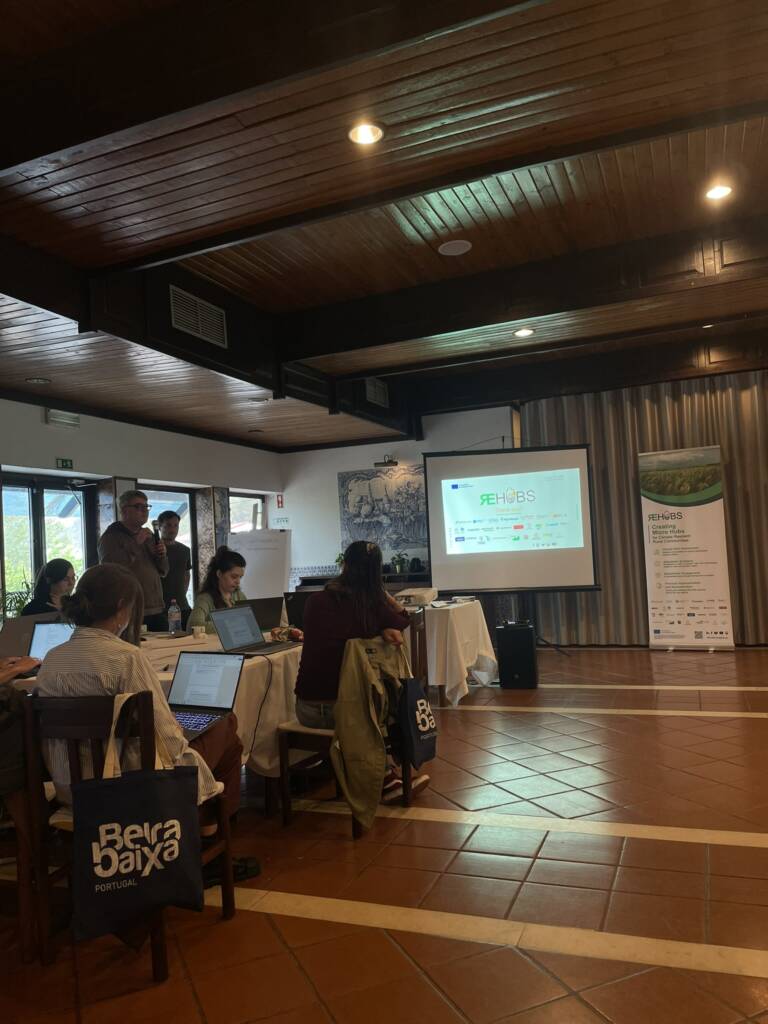
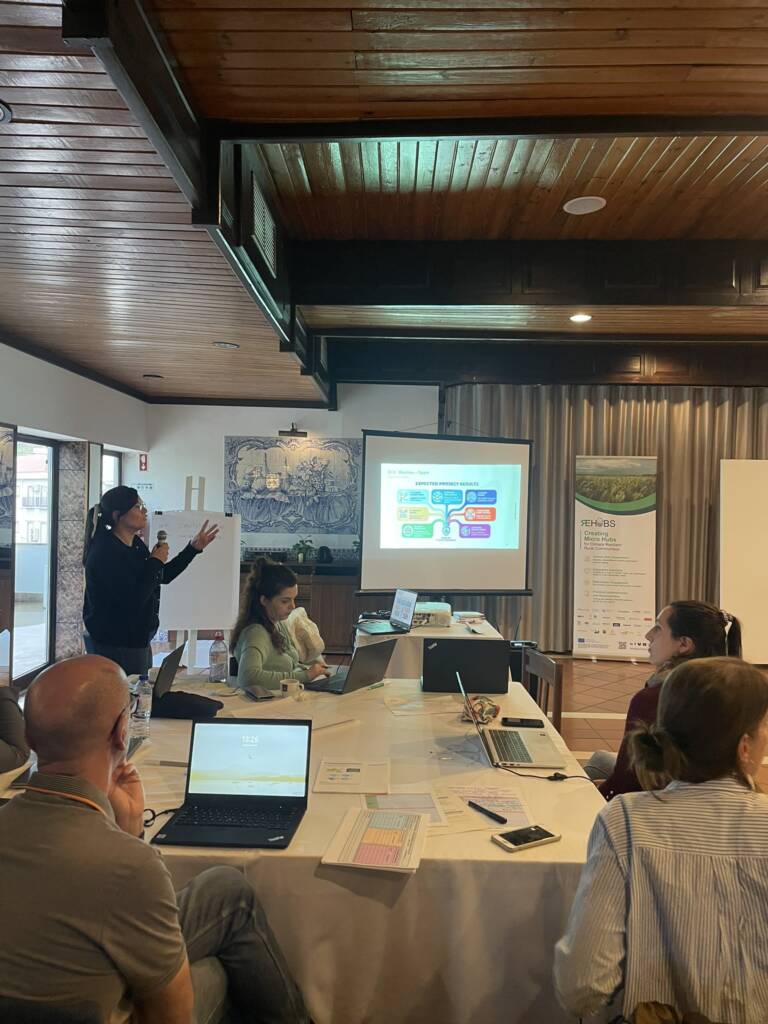
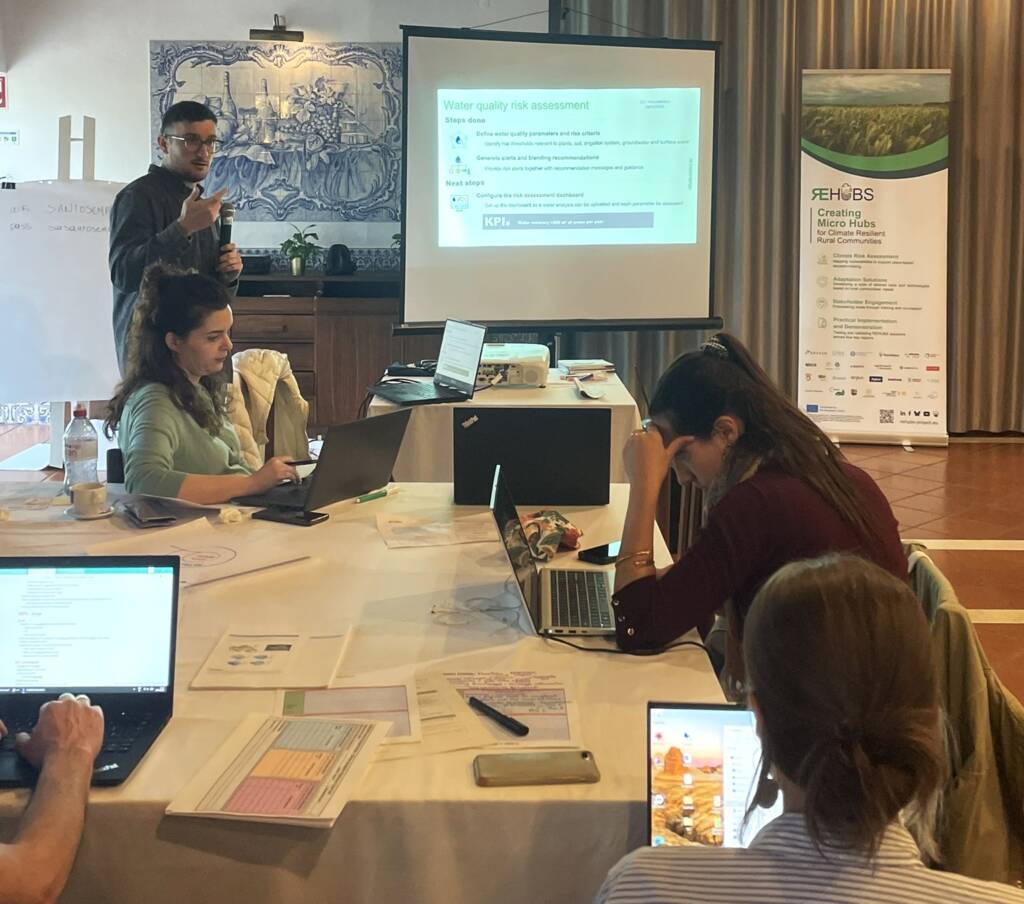
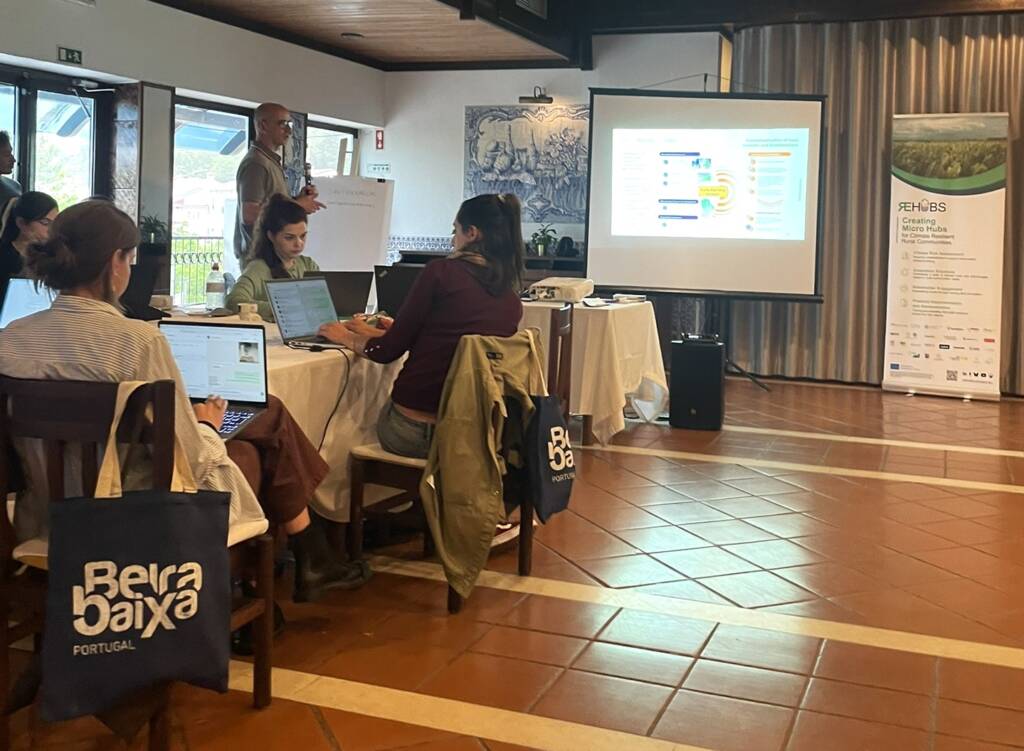
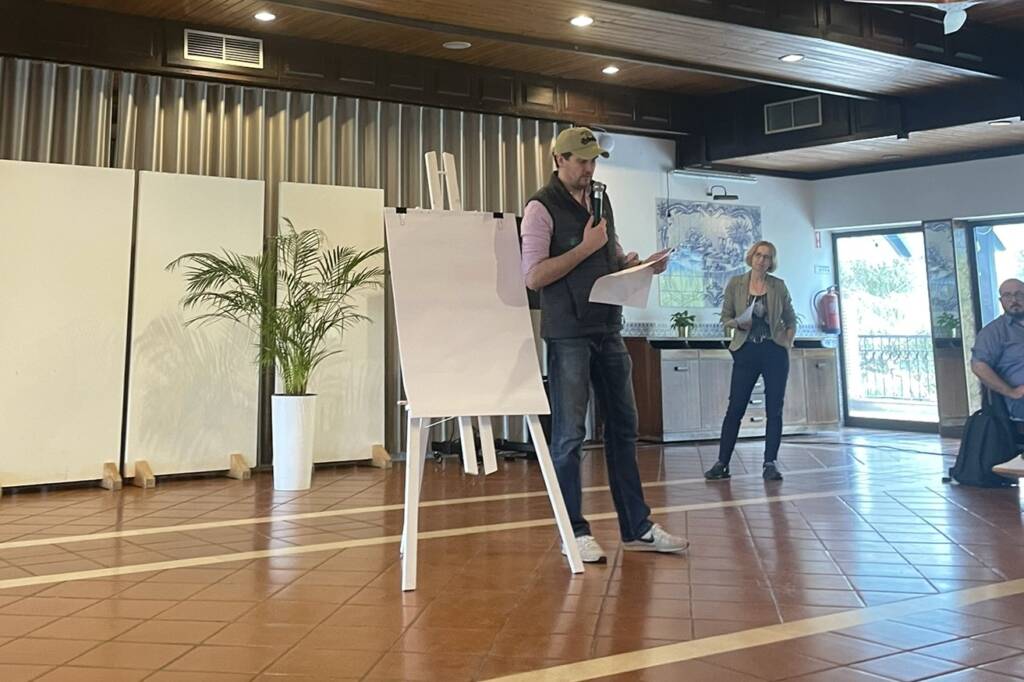
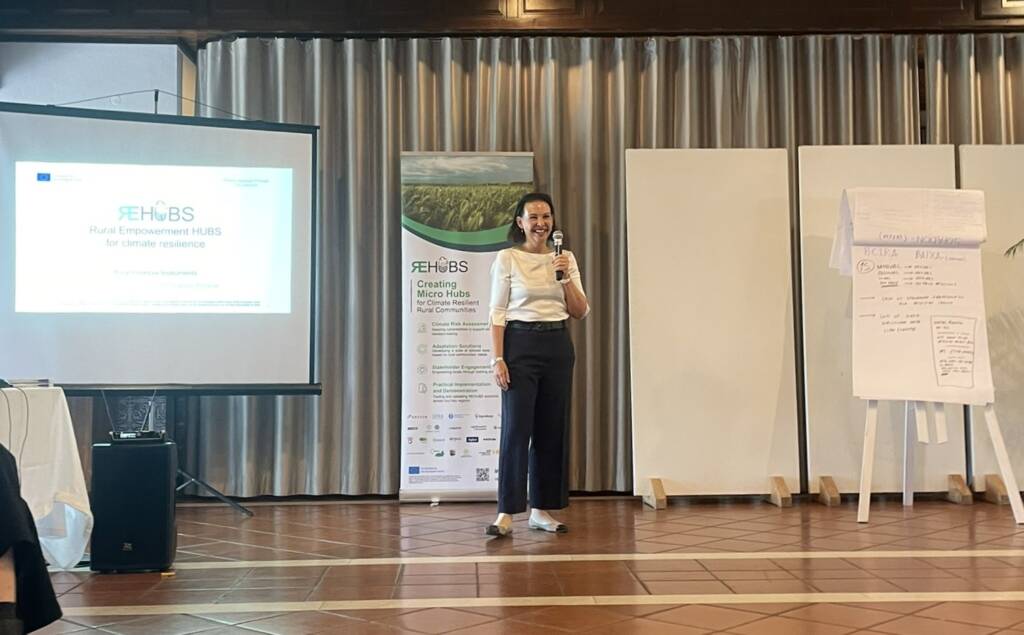
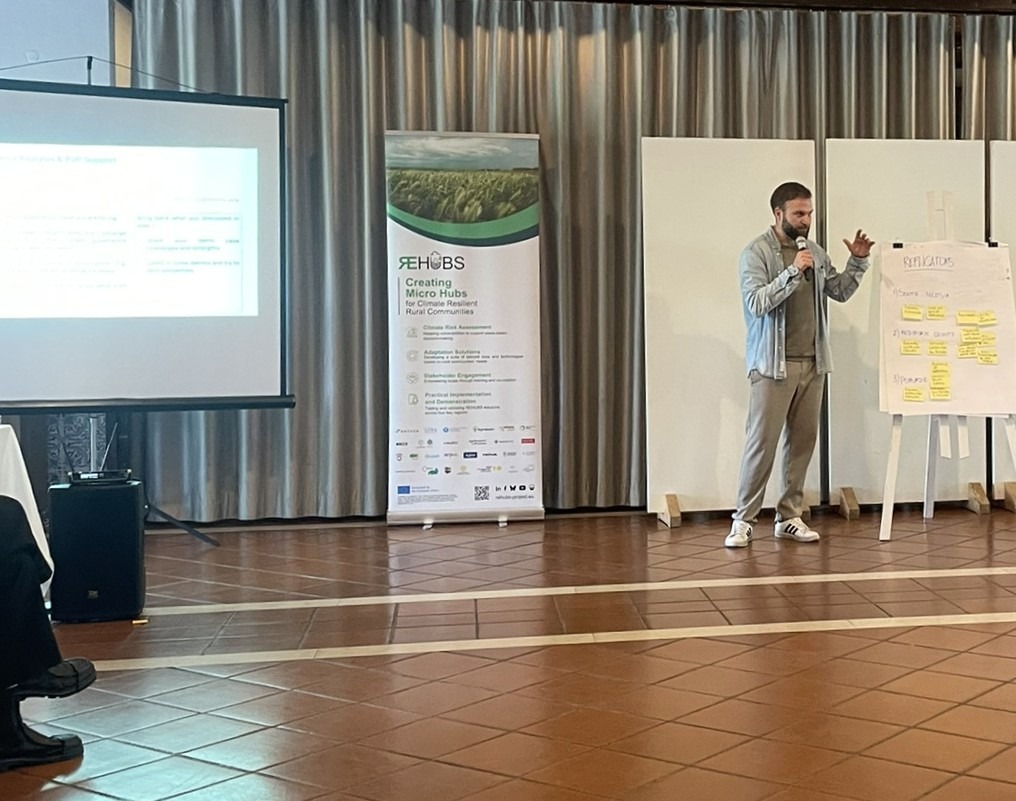
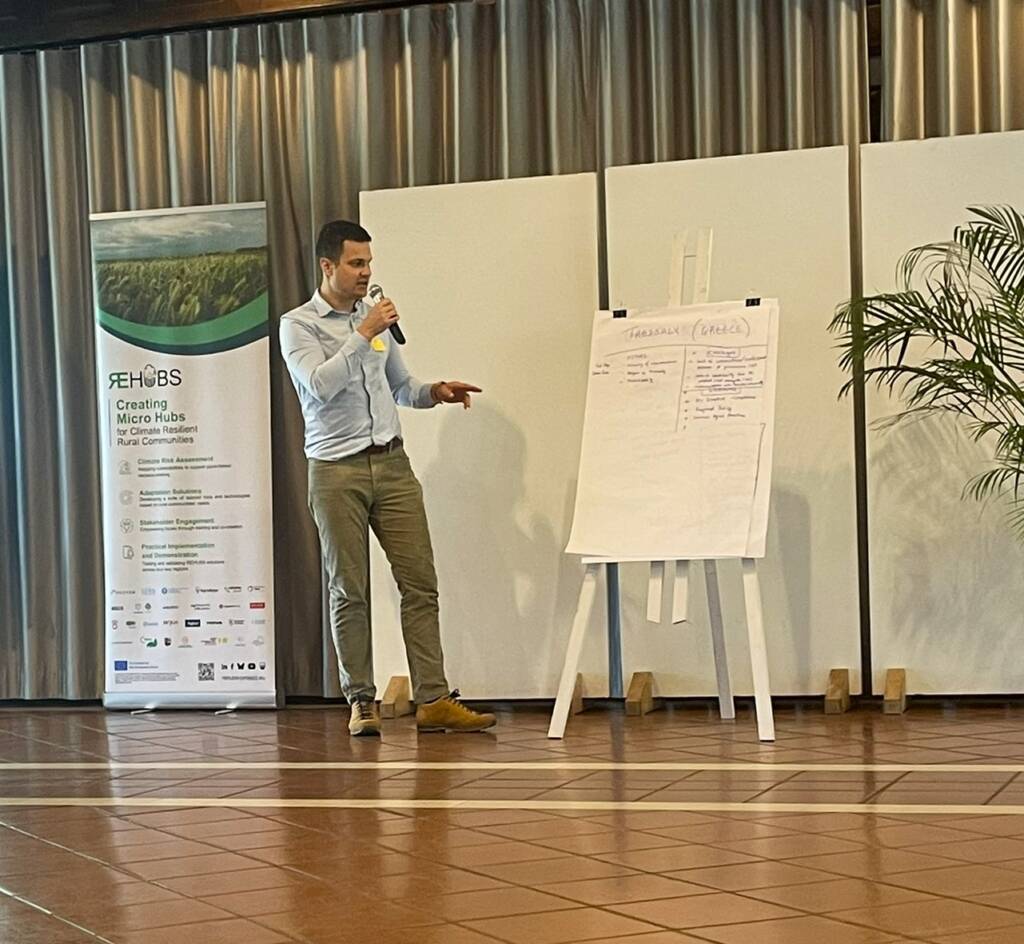
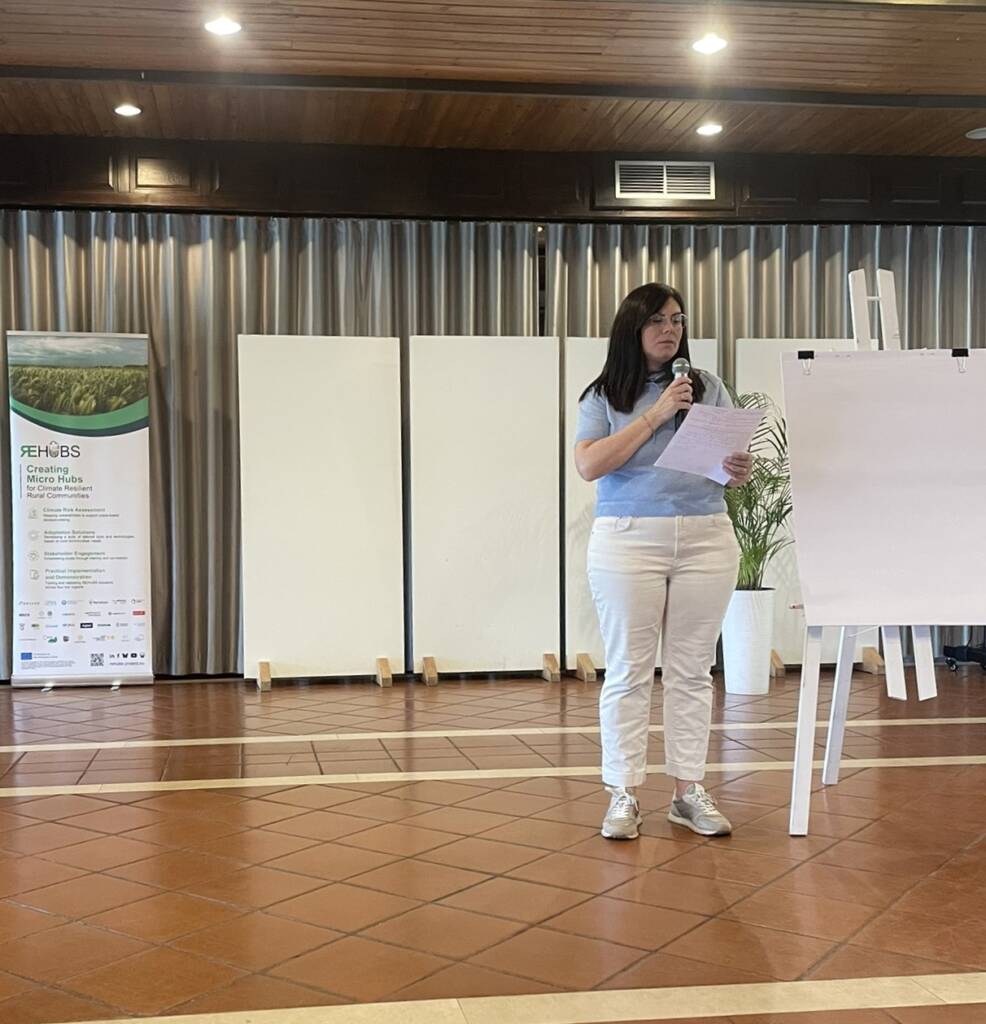
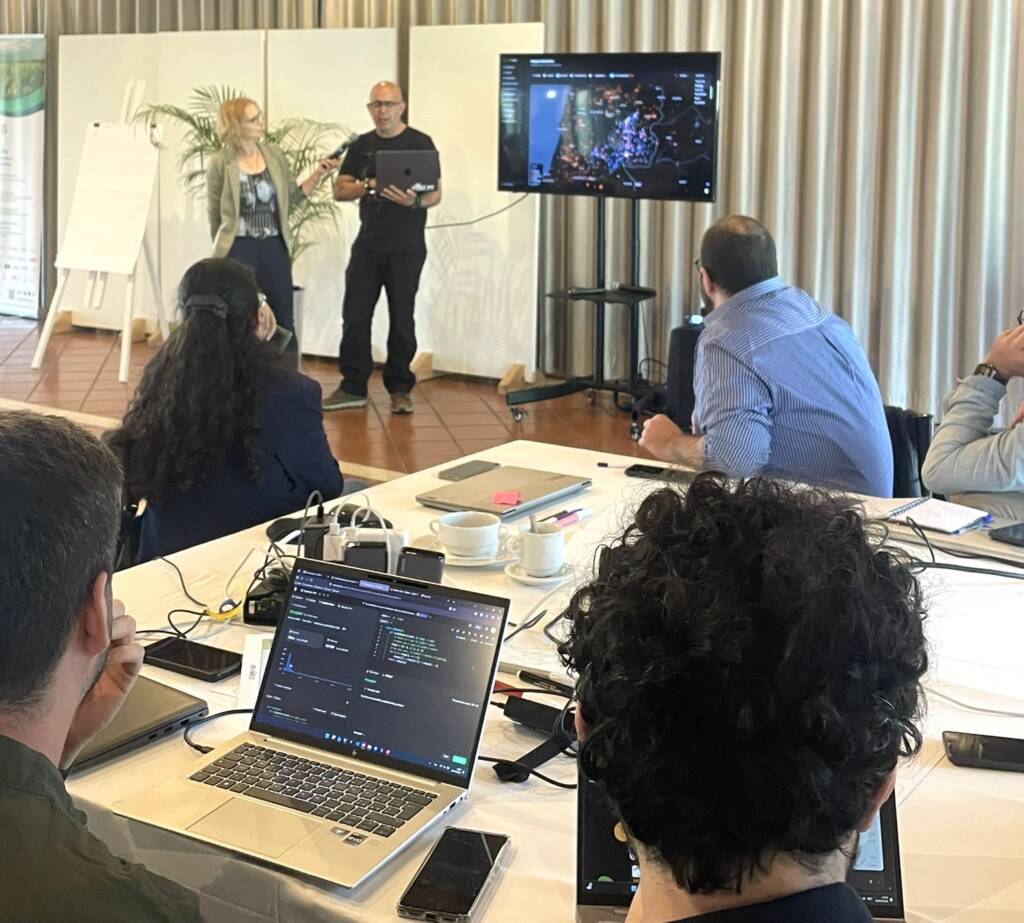
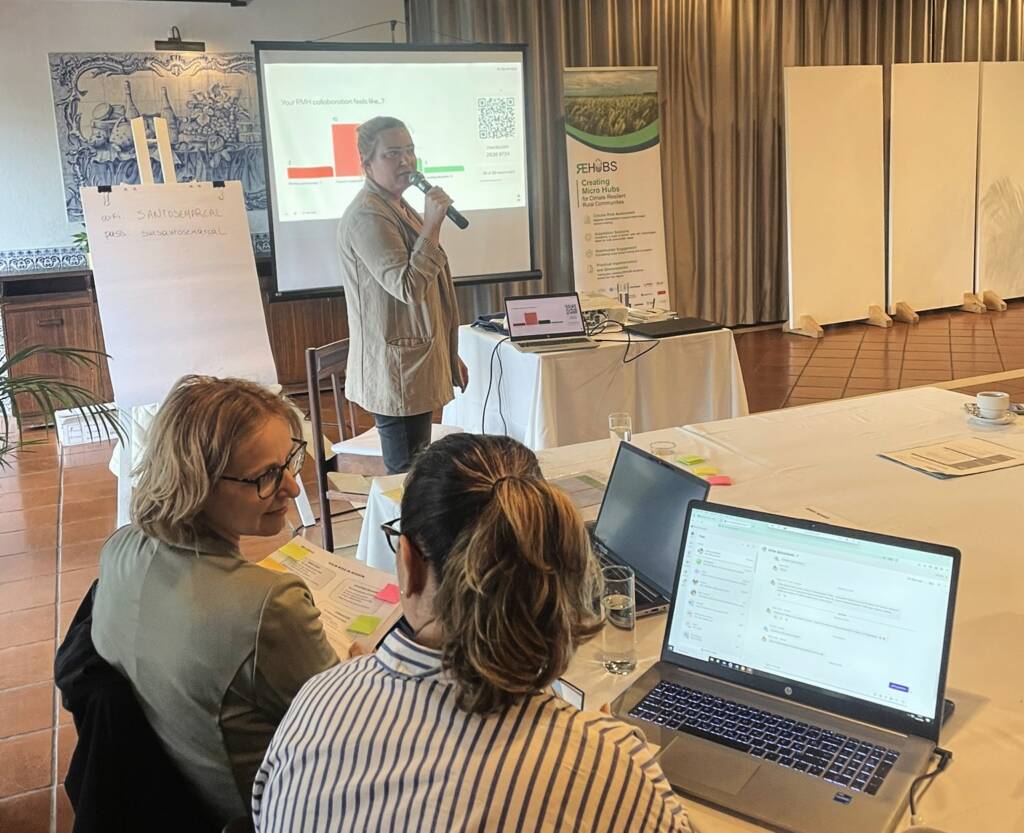
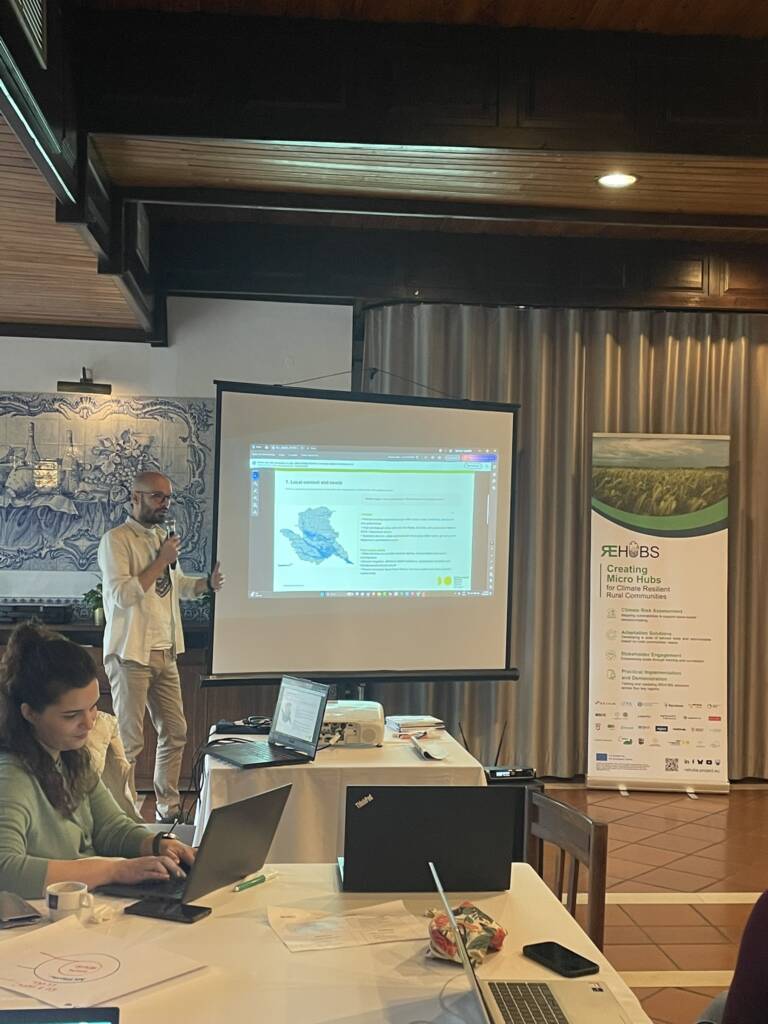
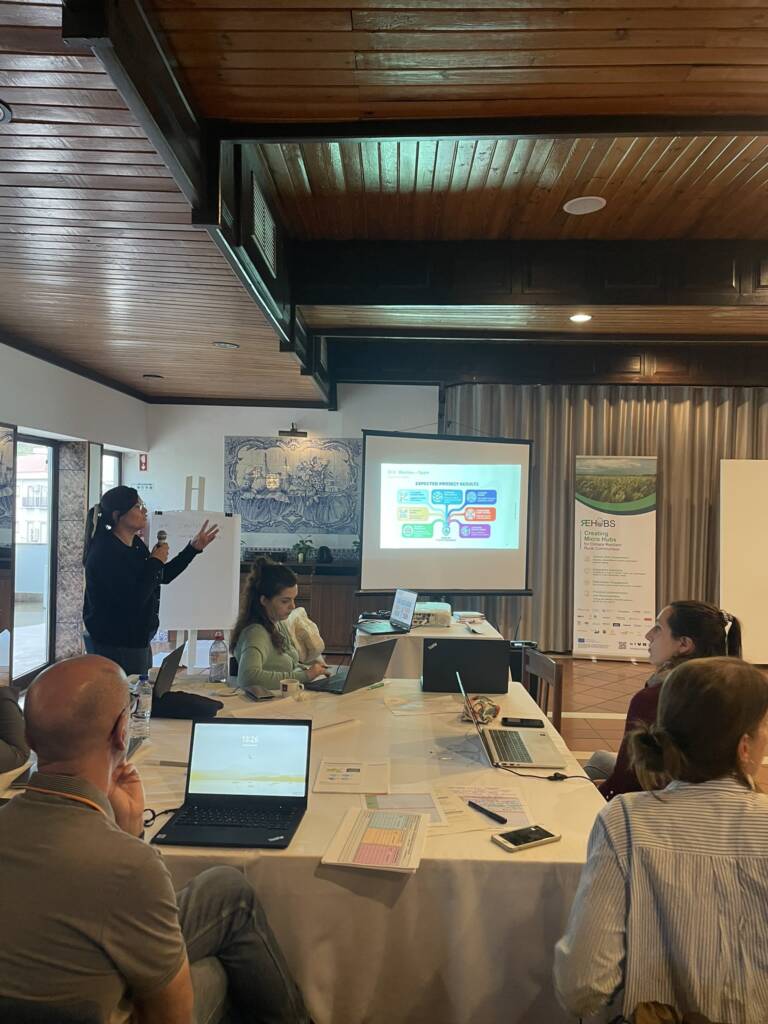
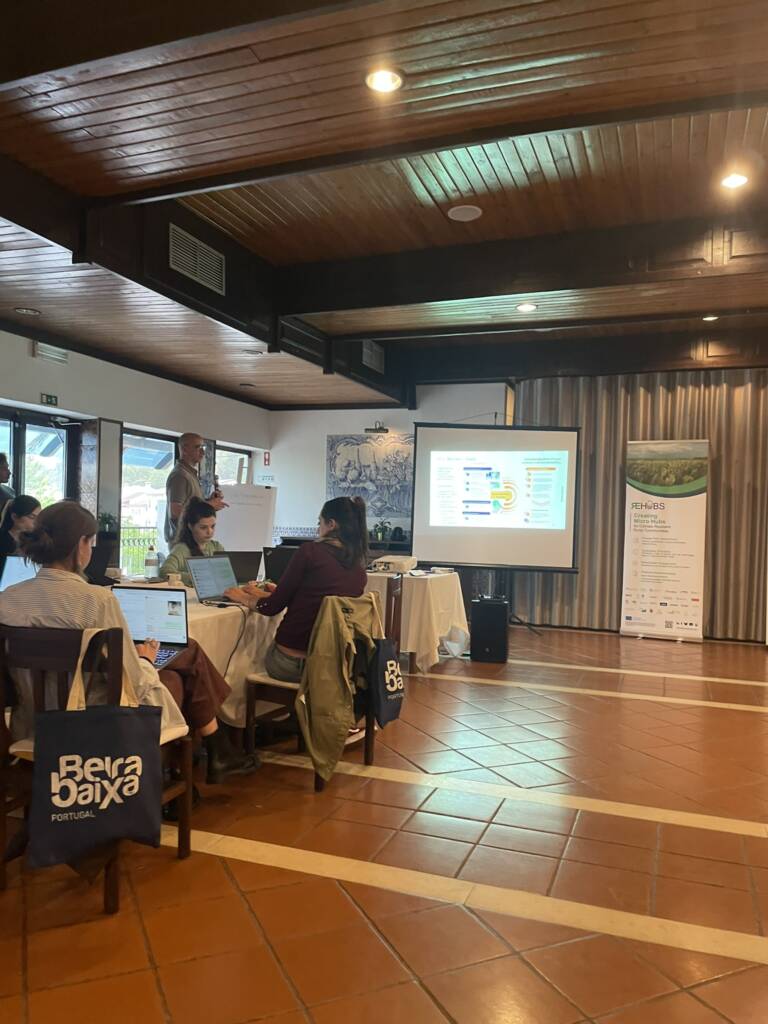
Throughout the two-day meeting, interaction and collaboration were at the center of every activity. The programme was designed to encourage active participation, open discussion, and stronger connections between consortium members. Interactive sessions, collaborative exercises, and continuous exchanges between partners created a highly engaging environment that helped strengthen relationships across the consortium and reinforce the spirit of cooperation within REHUBS.
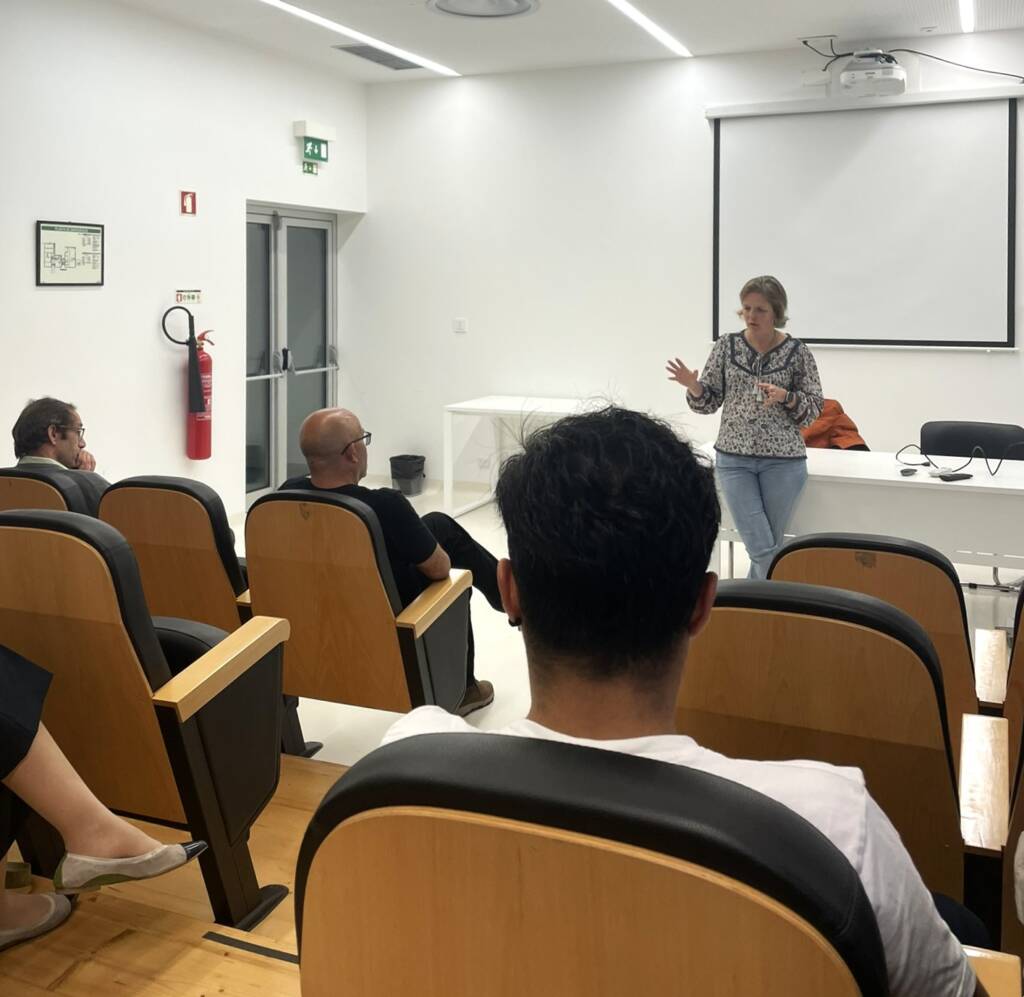
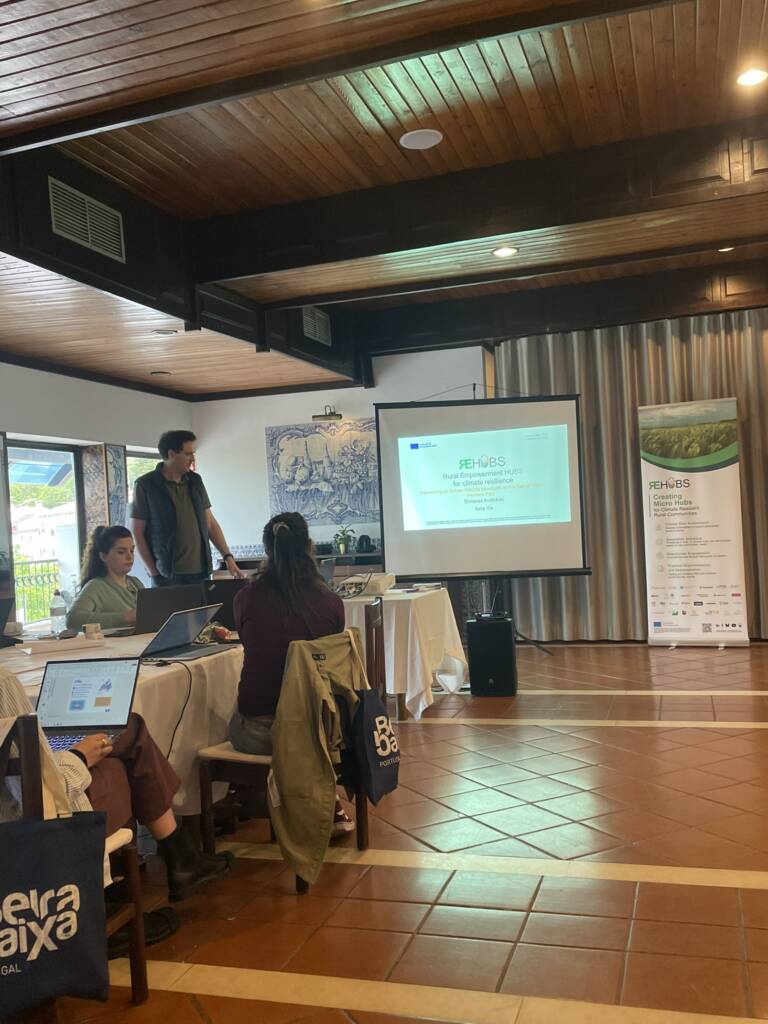
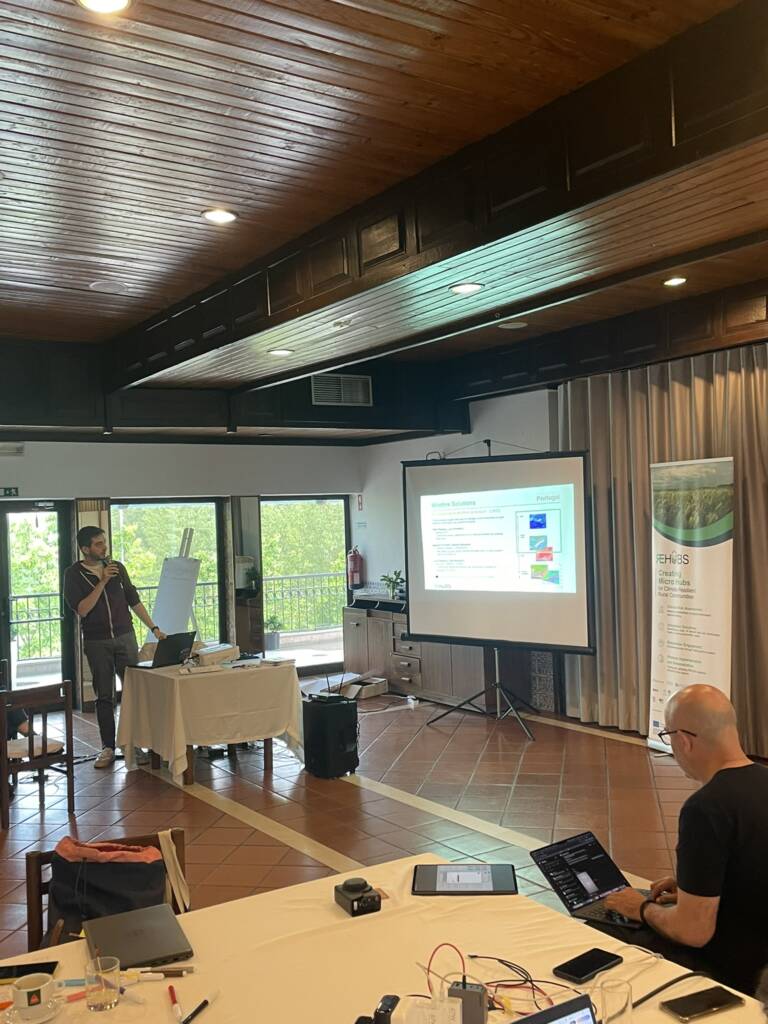
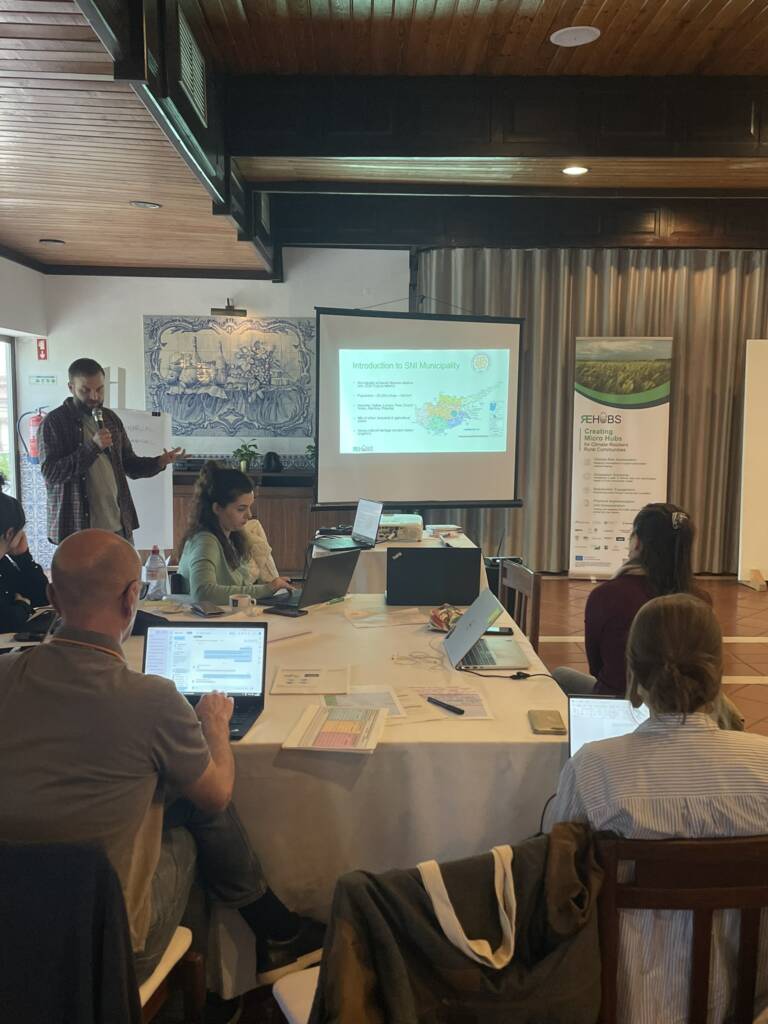
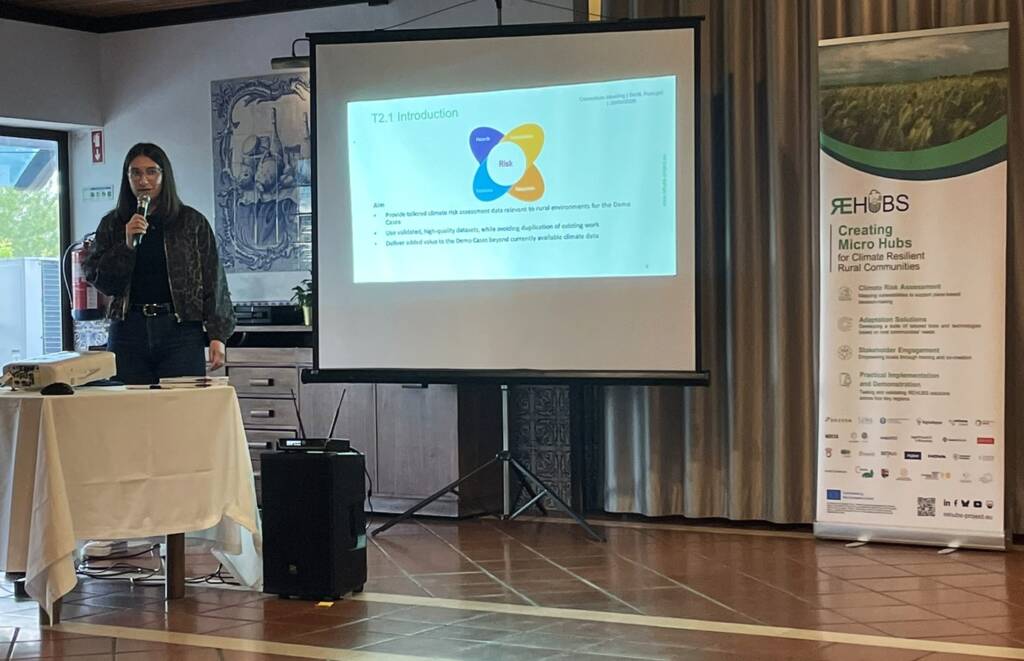
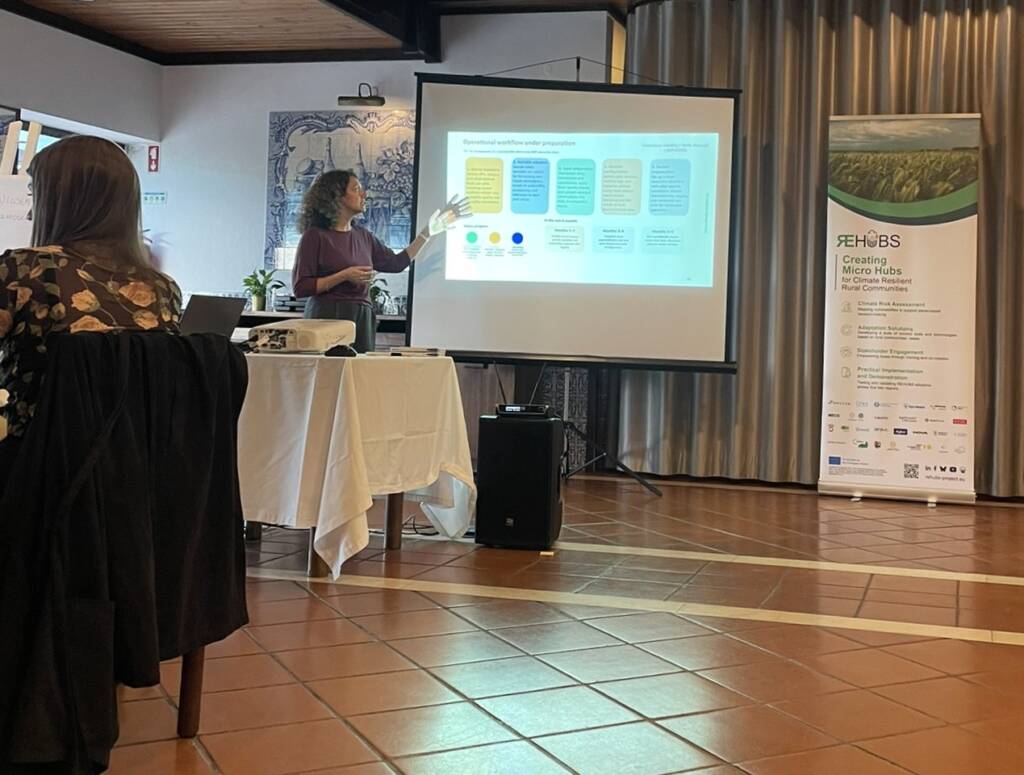
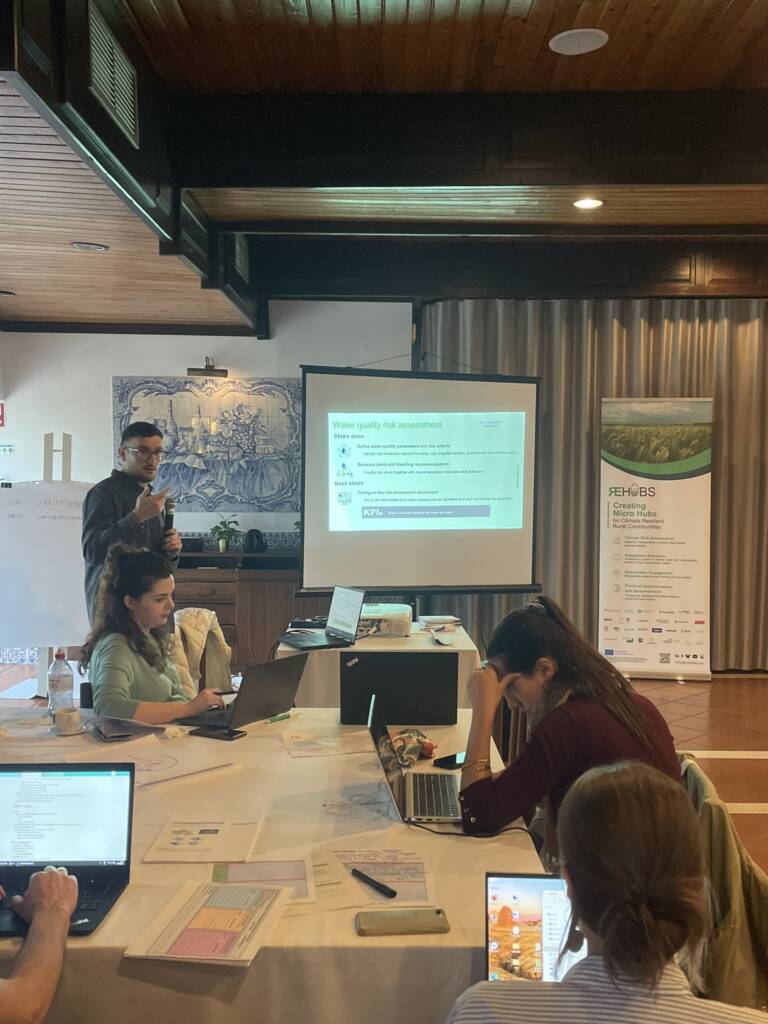
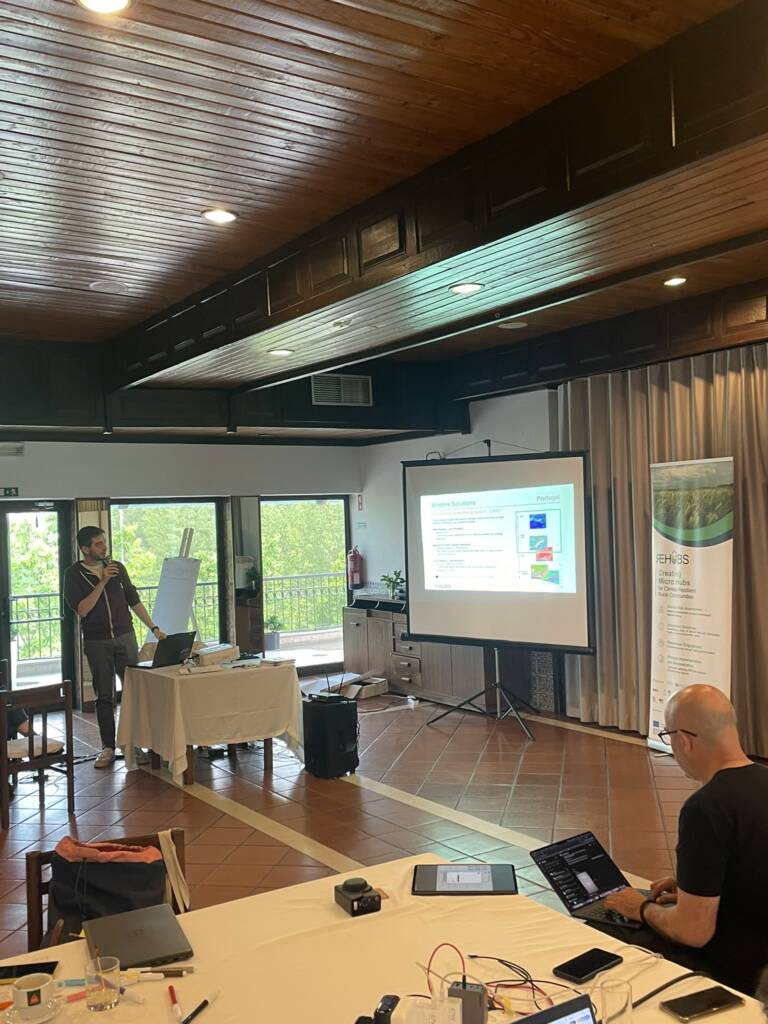
The backbone of the meeting was a series of hands-on workshops led by the project’s task leaders. Rather than focusing only on presentations, the workshops encouraged partners to actively work together, exchange experiences, discuss challenges, and jointly shape the next implementation steps of the project.
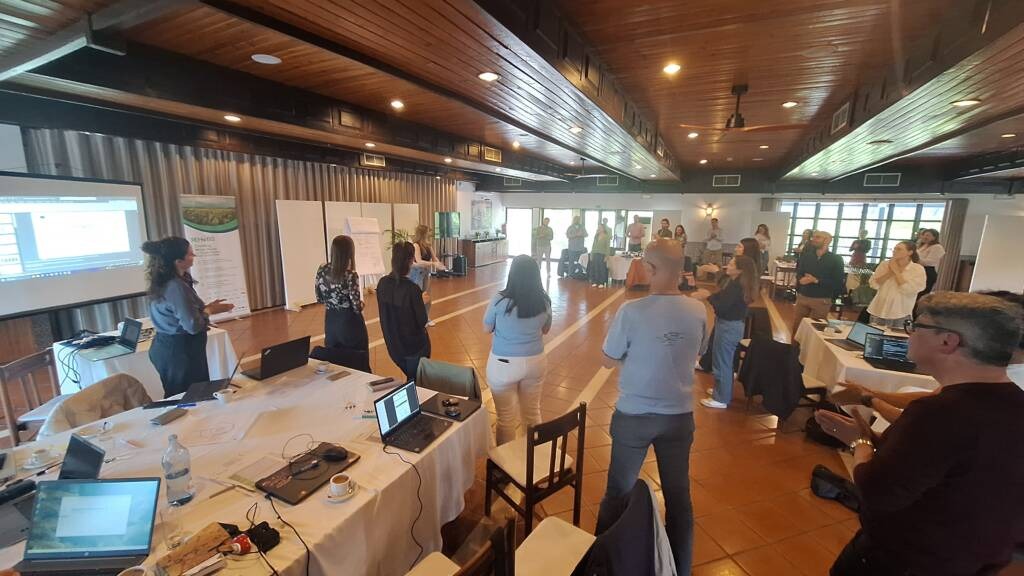
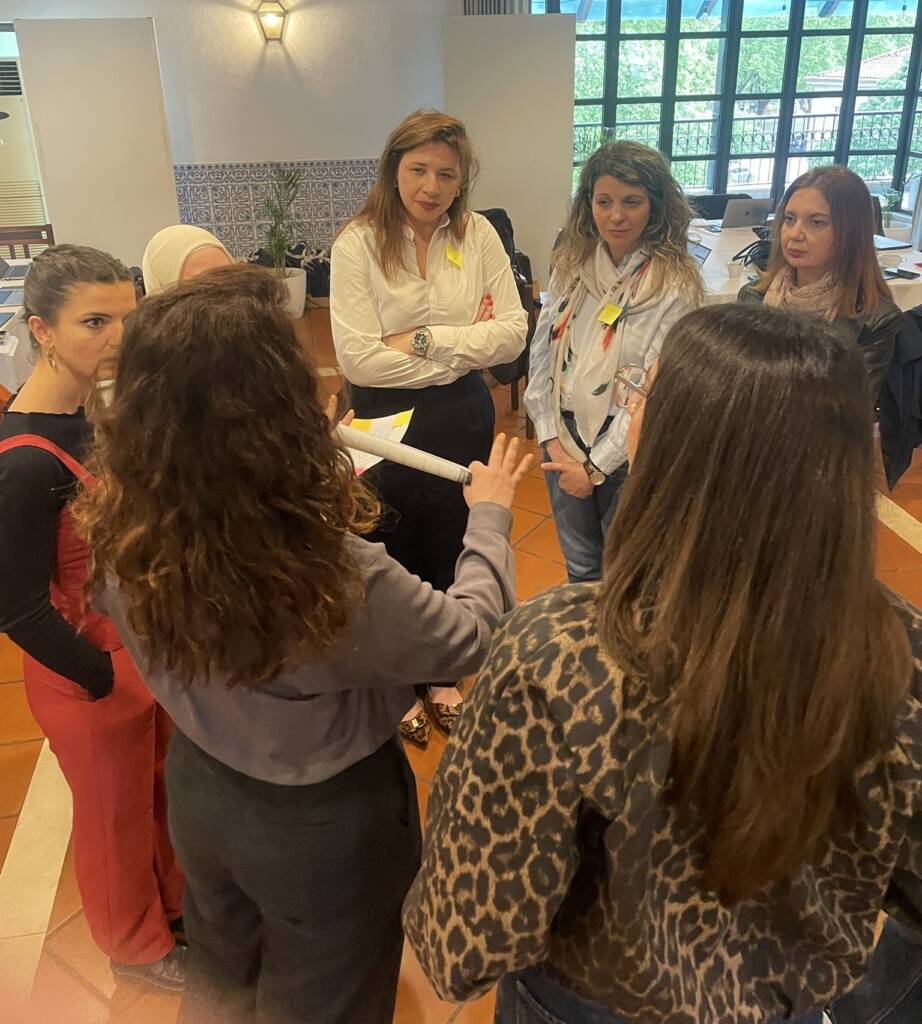
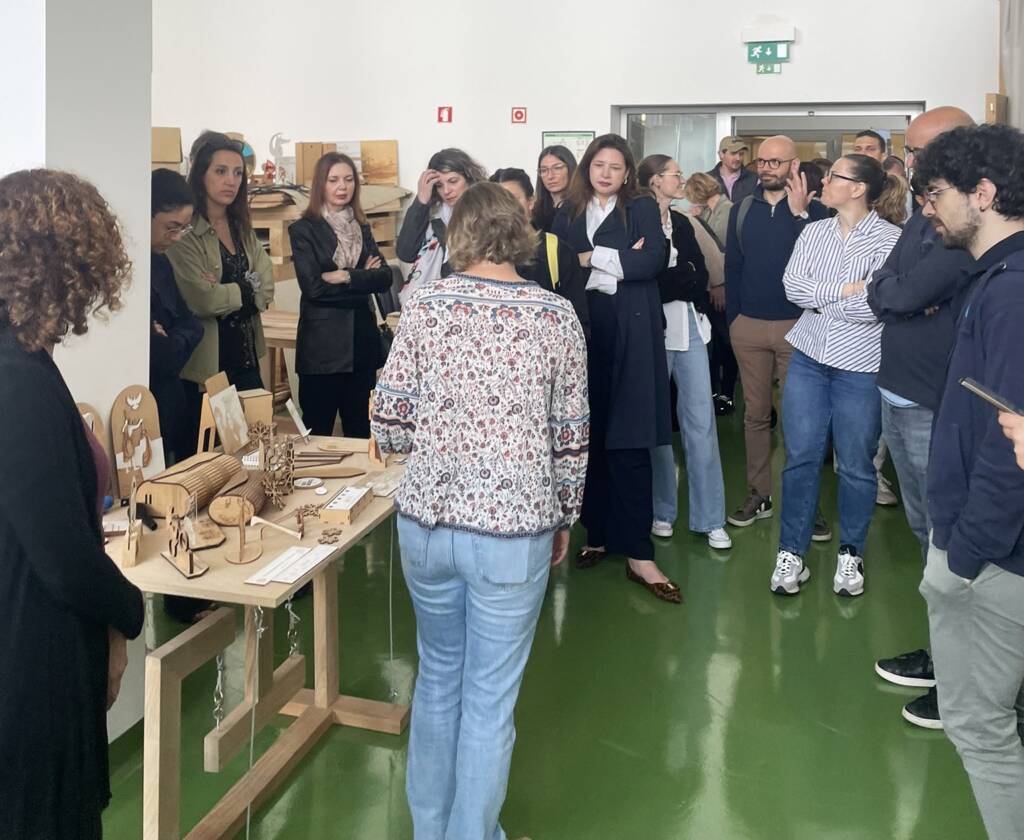

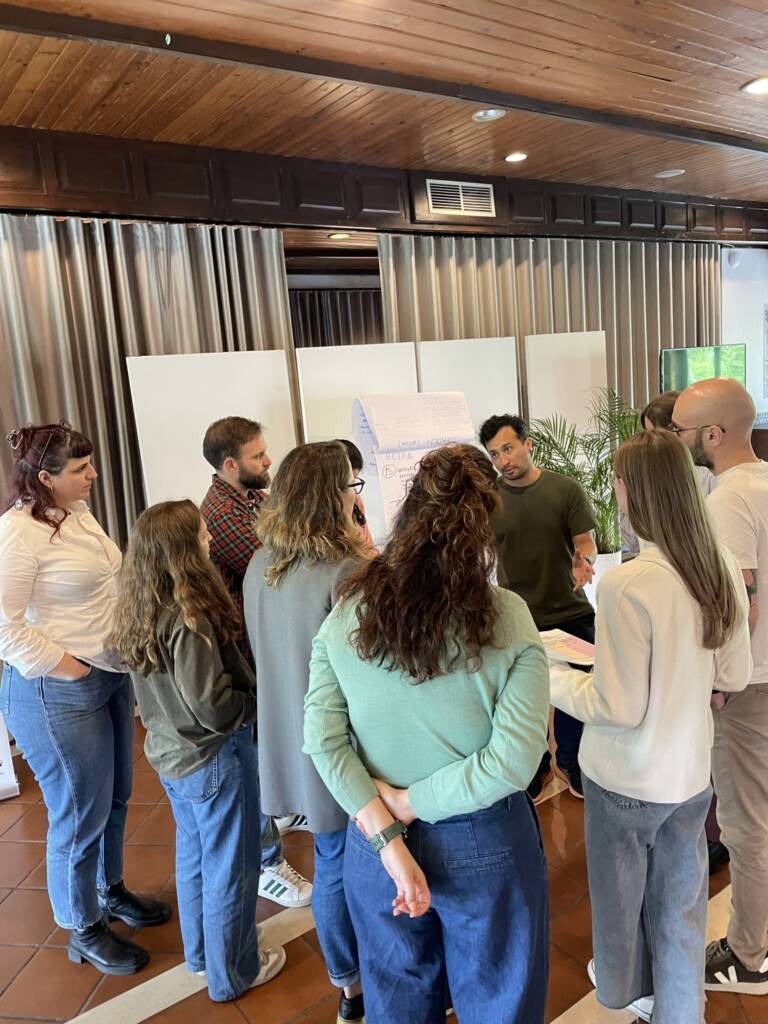
The first day began with a field visit to SerQ – Centro de Inovação e Competências da Floresta, offering participants valuable insights connected to the Portuguese Demo Case and local climate resilience initiatives. This was followed by a series of productive workshops and collaborative discussions focused on:
- Operationalising the Rural Micro Hubs (RMHs) through co-creation activities and workshops
- Exploring pathways from ideas to investment and discussing financing opportunities for rural adaptation
- Strengthening the communication and dissemination of project results
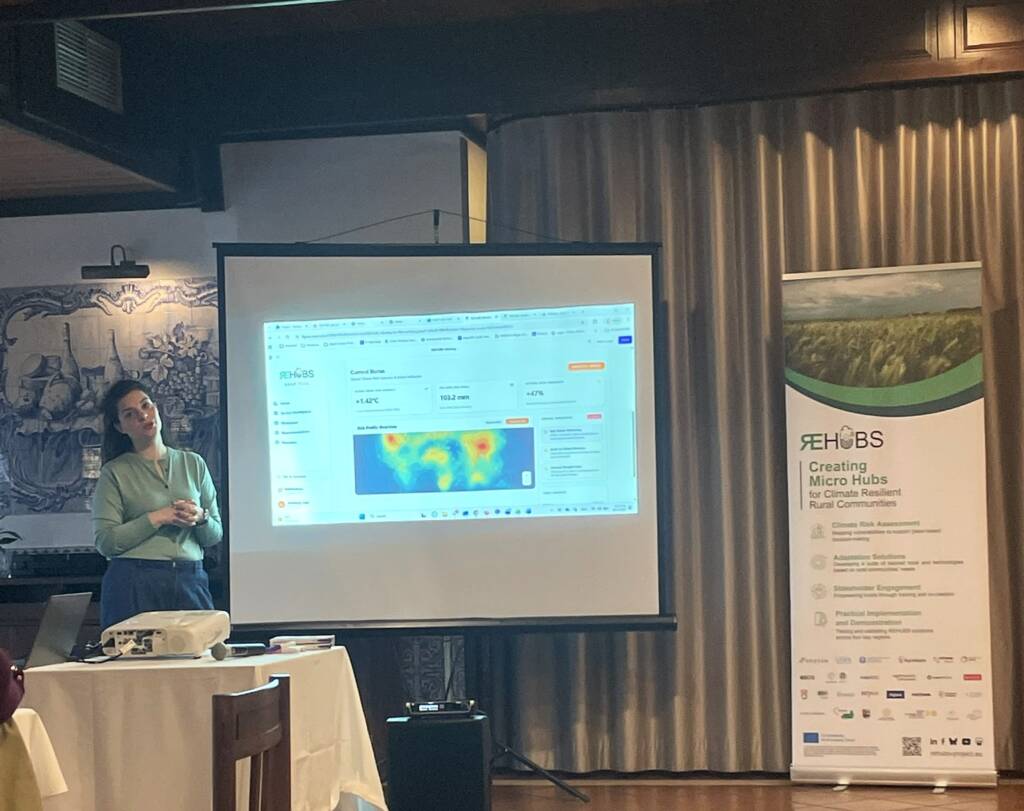
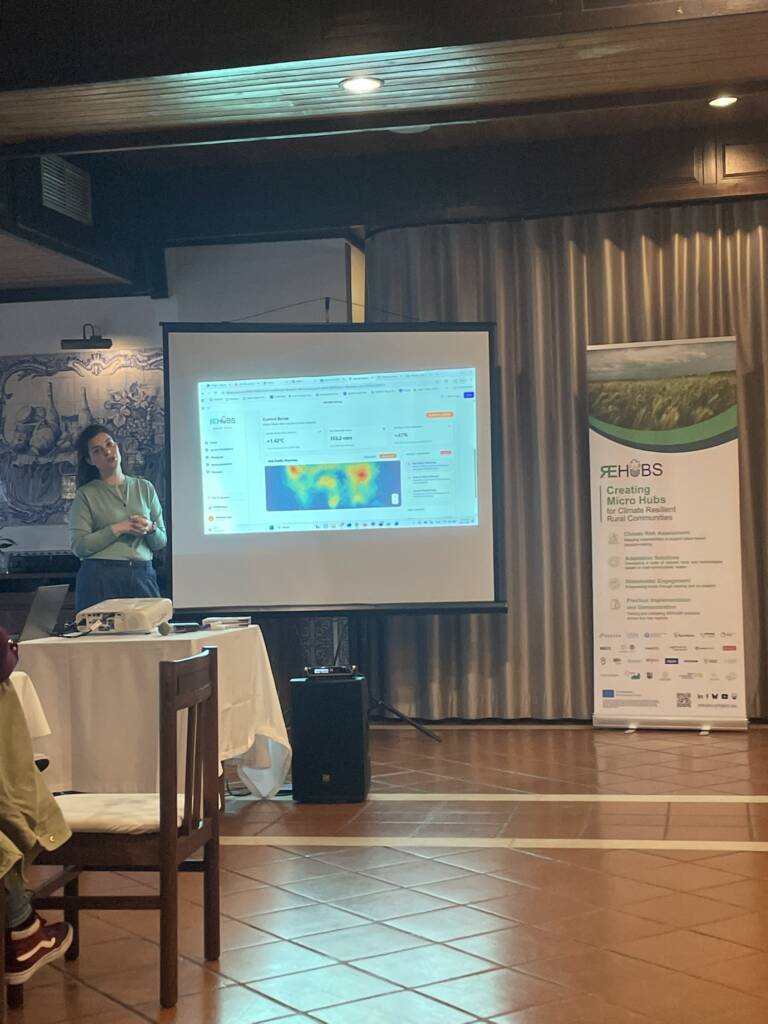
- Exploring how climate and weather forecasting services can better address users’ practical needs
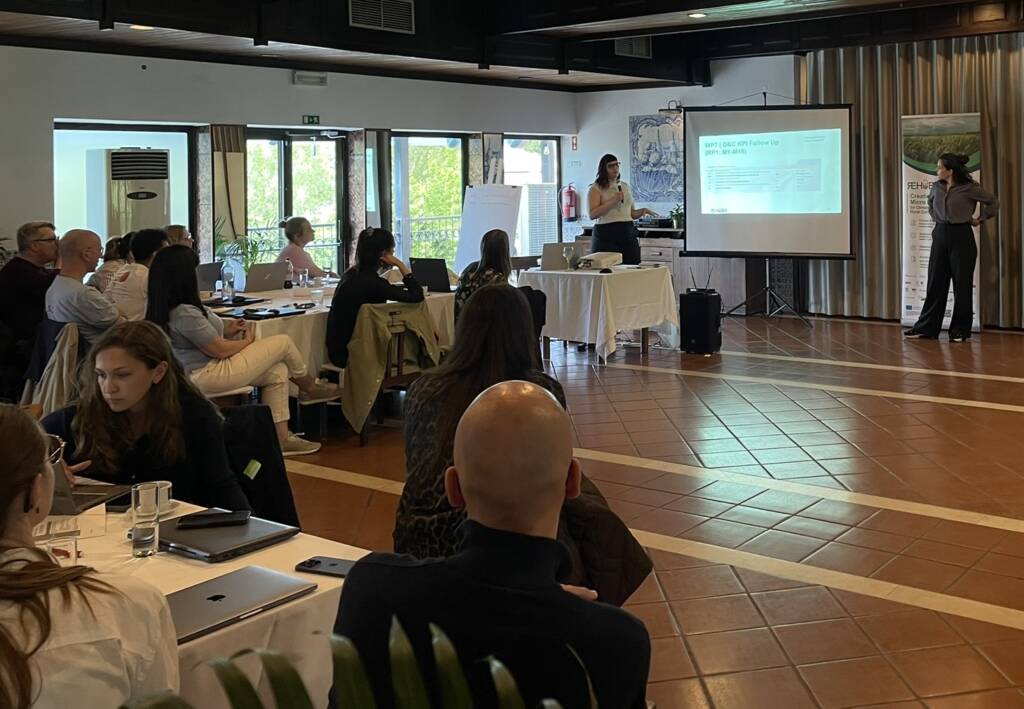
The second day focused strongly on collaboration between the project’s Demonstration and Replication Cases. Partners exchanged experiences, discussed tested approaches, and explored how solutions and knowledge developed within the Demo Cases can be adapted and applied in different regional contexts.
These discussions directly support the broader REHUBS mission of empowering rural communities through practical and place-based climate adaptation solutions. The project is developing approaches related to climate risk assessment, advanced weather modelling, water management, flood and drought risk management, wildfire monitoring, and biodiversity monitoring.
At the heart of REHUBS are the Rural Micro Hubs (RMHs), designed as local spaces for collaboration, training, peer-to-peer exchange, and stakeholder engagement across rural communities. The discussions and workshops in Sertã clearly demonstrated how these concepts are now moving from planning into practical implementation.
Beyond the technical progress, the meeting also played an important role in strengthening the human connections within the consortium. The strong level of interaction throughout the two days helped create closer collaboration between partners and reinforced the shared commitment behind the project’s goals.
As REHUBS continues to move forward, the Sertã meeting marked an important milestone in transforming a shared European vision into practical action for more climate-resilient rural communities.

Follow us online: LinkedIn | Facebook | Bluesky | Slideshare | YouTube